Navigating the complex world of eschatological research requires a disciplined approach to both historical inquiry and theological frameworks. For those interested in Mahdism studies for beginners, the intellectual pursuit of understanding end-times narratives involves much more than simply reading primary sources; it demands a critical evaluation of how these concepts shape contemporary sociopolitical movements and individual belief systems. As we progress through 1405, the need for clarity in this domain has become increasingly vital for anyone monitoring regional stability and evolving ideological trends. The objective is to move beyond superficial surface-level analysis to grasp the structural foundations of these belief systems.
How to apply Mahdism studies in practice

Academic inquiry into this specialized field relies on the systematic analysis of traditions surrounding a transformative leader destined to restore justice. While this discipline is firmly rooted in Islamic theology, it frequently overlaps with fields like sociology and political science. Policy institutes often monitor how messianic rhetoric influences regional stability, using archival research to understand how specific groups might mobilize during times of economic uncertainty. By keeping a close watch on how these ideas evolve, researchers can better track the shift from abstract theological concepts to powerful social motivators. Ultimately, the goal is to isolate the variables that trigger these ideological changes while avoiding the sensationalism that often clouds mainstream media coverage.
The methodology requires a separation of historical fact from later hagiographical layering. When a student begins this process, they must establish a baseline of what constitutes a primary source versus a secondary commentary. This distinction is the bedrock of any rigorous academic project. By focusing on the historical transmission of texts, researchers can avoid the common trap of projecting modern political anxieties onto ancient manuscripts. This disciplined approach ensures that the findings remain objective and grounded in the actual evolution of the doctrine.
Defining the concept of the promised savior

At the heart of the research lies the identification of the savior as the ultimate figure of salvation. Rather than viewing this as a vague symbolic archetype, it is best understood as a specific theological framework that shapes the expectations and worldview of the faithful. To navigate this field effectively, researchers must carefully distinguish between the various schools of thought regarding lineage, the period of occultation, and the eventual return of the Imam. By maintaining a clear separation between these theological branches, you can avoid the common pitfall of merging distinct historical narratives into a single, inaccurate profile. This foundational clarity is essential for anyone seeking to understand the motivations of groups that draw upon these themes to shape their strategic objectives in the modern world.
The concept of the savior serves as a focal point for social identity. It provides a sense of continuity for communities that have historically faced marginalization or active persecution. By understanding this, a researcher can better appreciate why the narrative of the promised return remains a potent force in shaping collective memory. It is not merely a belief in a future event; it is a way of organizing present reality in anticipation of that event.
The role of messianism in historical interpretation
Messianism acts as a powerful engine for both social cohesion and how we interpret history. It offers a framework that allows followers to view current events not just as isolated incidents, but as clear precursors to a grand, predestined conclusion. This perspective effectively shifts the focus away from a purely secular timeline toward a teleological view, where every major development is scrutinized for its alignment with prophetic narratives. Understanding this mechanism is essential to grasping how historical memory shapes modern decision-making. When a movement views its actions as part of a larger, cosmic timeline, its strategic patience and level of commitment often far exceed what we would expect in standard secular contexts.
Historians often observe that periods of intense social upheaval correlate with an increased focus on these narratives. When existing structures fail to provide justice or stability, the promise of a future, divinely-ordained order becomes significantly more attractive. This dynamic is a recurring theme in the study of religious movements, suggesting that the popularity of such ideas is inextricably linked to the socio-economic health of the society in which they emerge.
Establishing a methodology for eschatology
Approaching end-time narratives requires a structured methodology to avoid the common pitfalls of misinterpretation or emotional projection. By engaging with a formal framework, learners can categorize complex theological data into logical sequences. This approach transforms abstract historical accounts into a coherent timeline, allowing for a clearer understanding of how historical events serve as the foundational pillars for future-oriented discourse. The primary challenge for any newcomer is navigating the vast corpus of traditional literature without getting lost in anecdotal evidence. A rigorous academic approach provides the necessary scaffolding to distinguish between core theological tenets and peripheral cultural interpretations.
Applying this logic in a professional or institutional research setting involves several systematic steps for the novice:
- Identify the core thematic constants that remain consistent across various historical eras.
- Analyze the narrative arc of major historical conflicts as archetypal battles between justice and tyranny.
- Apply these established categories to contemporary global events to test their analytical validity.
- Cross-reference secondary interpretations with primary manuscript evidence to ensure accuracy.
- Maintain a neutral analytical stance to avoid the bias inherent in contemporary political movements.
Connecting traditions to modern contexts
Exploring eschatology isn’t just about trying to predict what lies ahead; it’s about viewing our current world through a lens of moral responsibility. By using established academic frameworks, you can effectively bridge the gap between ancient prophetic traditions and the intricate realities of the 1405 geopolitical landscape. This connection is essential for anyone looking to maintain intellectual honesty when engaging with sensitive topics that hold significant weight in global conversations. When students learn to apply these frameworks, they gain the critical tools needed to cut through misinformation. A researcher analyzing today’s social movements might draw upon the established patterns of resistance found in classic texts to better contextualize contemporary calls for systemic reform.
The challenge lies in avoiding the temptation to force-fit current events into ancient prophetic categories. True research requires the humility to admit when a connection is tenuous or non-existent. By adhering to strict evidentiary standards, the researcher ensures that their work contributes to genuine understanding rather than reinforcing existing prejudices.
The historical and theological significance of Karbala
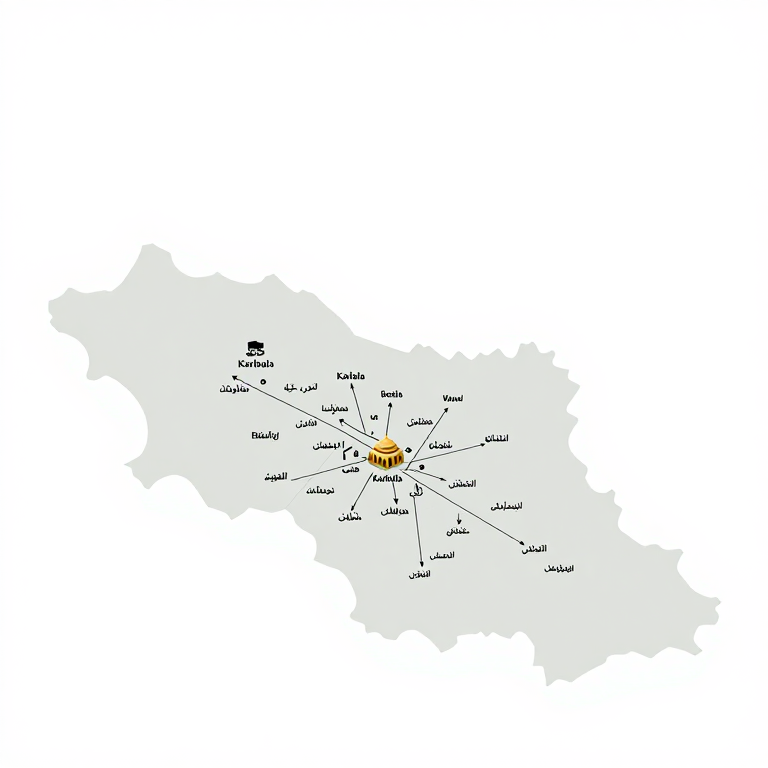
The event of Karbala acts as the primary historical anchor for the eschatological framework. Within the academic discipline, Karbala is not viewed merely as a past tragedy, but as the foundational archetype for the future restoration of justice. This theological lens positions the sacrifice of historical figures as the necessary catalyst that prepares the world for the ultimate arrival of the savior. By examining the narrative of Ashura, scholars identify the specific moral and spiritual criteria required for the global movement associated with the promised leader.
| Criterion | Scattered approach | Focused approach |
|---|---|---|
| Time to results | Slow and fragmented | More measurable |
| Budget use | Spread across side tasks | On one main bottleneck |
| Clarity for the team | Low | High |
This event serves as a moral compass for followers. It dictates the ethics of engagement in the world, emphasizing sacrifice, truth-telling, and the rejection of compromise with injustice. Understanding this is crucial for anyone studying the motivations behind modern movements that identify with this heritage.
The link between Ashura and the global uprising
Ashura serves as a vital training ground for the collective consciousness necessary to support a global uprising. In theological studies, the profound suffering endured at Karbala is viewed as the definitive expression of resistance against systemic tyranny. This historic act of defiance acts as a direct prototype for the mission, which aims to dismantle injustice on a global scale. Scholars in this field frequently examine how the emotional and spiritual weight of Ashura inspires followers to cultivate a mindset of constant vigilance and readiness for the promised transition.
This connection is not accidental; it is a deliberate cultivation of historical memory. By repeatedly engaging with the narrative of Ashura, communities reinforce their commitment to their ultimate goal. This iterative process of remembrance keeps the eschatological vision alive and relevant, ensuring that it remains at the center of their collective identity.
Establishing foundations for identity
Within this tradition, identity is forged through the active, lived remembrance of the events at Karbala. This isn’t merely a passive reflection on history; it is a dynamic engagement with the profound ethical choices made by those who stood firm against oppression. This identity is defined by a few core characteristics:
- An unwavering commitment to moral principles, even when facing overwhelming opposition.
- A prioritization of collective justice that transcends individual safety or personal comfort.
- The cultivation of a resilient character, capable of sustaining long-term ideological goals through adversity.
- A deep-seated belief in the ultimate triumph of truth over falsehood.
Methodological approaches to research
The core of this discipline lies in the integration of historical hermeneutics with sociological inquiry. Analysts typically begin by establishing a chronological timeline of core narratives before assessing how these themes have been utilized by various schools of thought throughout history. For instance, when examining the historical context of the Battle of Karbala as a foundational motif, researchers must investigate how narratives of sacrifice and restoration are woven into the broader eschatology. This structural approach ensures that findings are not merely anecdotal but are supported by verifiable academic standards.
Awareness
Interest
Action
Conversion
By utilizing this dual approach, researchers can navigate the complexities of both the theological and the historical. It allows for a more comprehensive understanding of how these ideas function in the real world. This is the hallmark of sophisticated Mahdism studies, where the focus remains on the interplay between text and context.
Recommended academic texts and resources
Building a structured reading list is a vital first step for anyone entering the field. Having a curated selection of resources prevents the common mistake of relying on unverified internet sources, which can often lead to misconceptions. It is best to start with foundational texts that offer a neutral, comparative analysis of messianic movements within various Islamic traditions. These works provide the essential vocabulary and historical context needed to grasp how the concept has evolved over time.
As you progress, you might find it helpful to look at how scholars analyze the frequency of eschatological references in classical literature to identify recurring patterns of thought. This type of analytical approach is excellent for mapping how specific symbols have transitioned from ancient manuscripts into modern ideological frameworks, giving you a much clearer picture of the subject’s development.
Utilizing primary sources and scholarly databases
The most reliable way to ground your research is by tapping into credible academic databases. Platforms like JSTOR or digital libraries are excellent starting points, offering peer-reviewed journals that break down complex themes with academic rigor. When you take the time to cross-reference primary sources—such as early hadith collections or foundational historical chronicles—with contemporary scholarly analysis, you gain a much deeper, more nuanced understanding of the subject. This approach is especially valuable when exploring the socio-political layers of the Karbala narrative, as it helps you map out the specific theological shifts that emerged in the wake of pivotal historical events.
Addressing misconceptions in research
Approaching the field requires a disciplined analytical framework. It is common for those new to the subject to accidentally blur the lines between cultural folklore and core theological teachings, which can lead to unnecessary confusion. As you begin to engage with primary sources, it is essential to learn how to distinguish between popular sentiment and established academic consensus. Many of the most common misinterpretations arise when readers attempt to view classical eschatological texts through the lens of modern geopolitics, a practice that often distorts the original intent and wisdom of the scholars who authored these works.
Distinguishing between folklore and authentic doctrine
A common pitfall for those just beginning their journey is the tendency to rely on unverified oral traditions that lack a credible chain of authority. Much like a financial analyst who must sift through market noise to isolate reliable data points, a serious researcher must carefully vet the authenticity of every historical account. Relying on anecdotal folklore rather than established theological treatises will almost certainly undermine the academic rigor of your work. To keep your research credible and grounded, try to follow these methodological standards:
- Prioritize peer-reviewed classical texts over the casual, often inaccurate interpretations found on social media.
- Analyze the historical context of each document to better understand why specific terminology was chosen by the author at that time.
- Consult multi-disciplinary experts who can offer the linguistic and historical validation necessary to interpret complex manuscripts correctly.
- Meticulously document the origin of every claim to avoid the common trap of circular reasoning within your bibliography.
Navigating extremist interpretations vs. mainstream theology
The field is often clouded by fringe movements that push radical or purely political agendas. These interpretations tend to strip away the profound ethical and spiritual depth of the doctrine, replacing its core message with populist rhetoric. As a student, your priority should be to anchor your perspective in the mainstream consensus, which centers on global justice, human rights, and personal moral growth. It is vital to recognize that traditional theology is fundamentally committed to social cohesion and the promotion of universal peace. Conversely, extremist factions often cherry-pick specific texts to justify disruptive actions that fundamentally contradict the broader, compassionate message of the doctrine.
Conclusion
Engaging with this field requires a disciplined approach that balances historical context with theological rigor. For those just beginning, the journey often feels overwhelming due to the vast array of interpretative frameworks and the complex interplay between apocalyptic literature and contemporary social movements. By focusing on the foundational narratives surrounding Karbala, students can establish a stable anchor point. This historical event serves as a critical lens through which the broader themes of justice, sacrifice, and the anticipation of divine intervention are filtered. Moving beyond superficial engagement involves recognizing that these academic pursuits are not merely abstract exercises but are deeply rooted in the lived experience of communities seeking clarity amidst the geopolitical instability of 1405.
Frequently Asked Questions
What is the clearest starting point for Mahdism studies?
Begin with the primary sources and one verified definition of Mahdism studies, then expand into related reports without mixing later commentary as scripture.
How do scholars usually study Mahdism studies?
They compare Quranic references with authenticated hadith chains, note points of agreement, and separate later popular claims from earlier evidence.
What mistakes should beginners avoid with Mahdism studies?
Avoid treating every online claim as equal, skipping source quality checks, and jumping to conclusions before reading the core texts in context.
How often should a reader revisit sources on Mahdism studies?
Revisit when you encounter a new citation or contested claim. A periodic review of primary texts keeps interpretations grounded.